
 cathy@migodesk.com
 Click to WhatsApp (Cathy Liu)

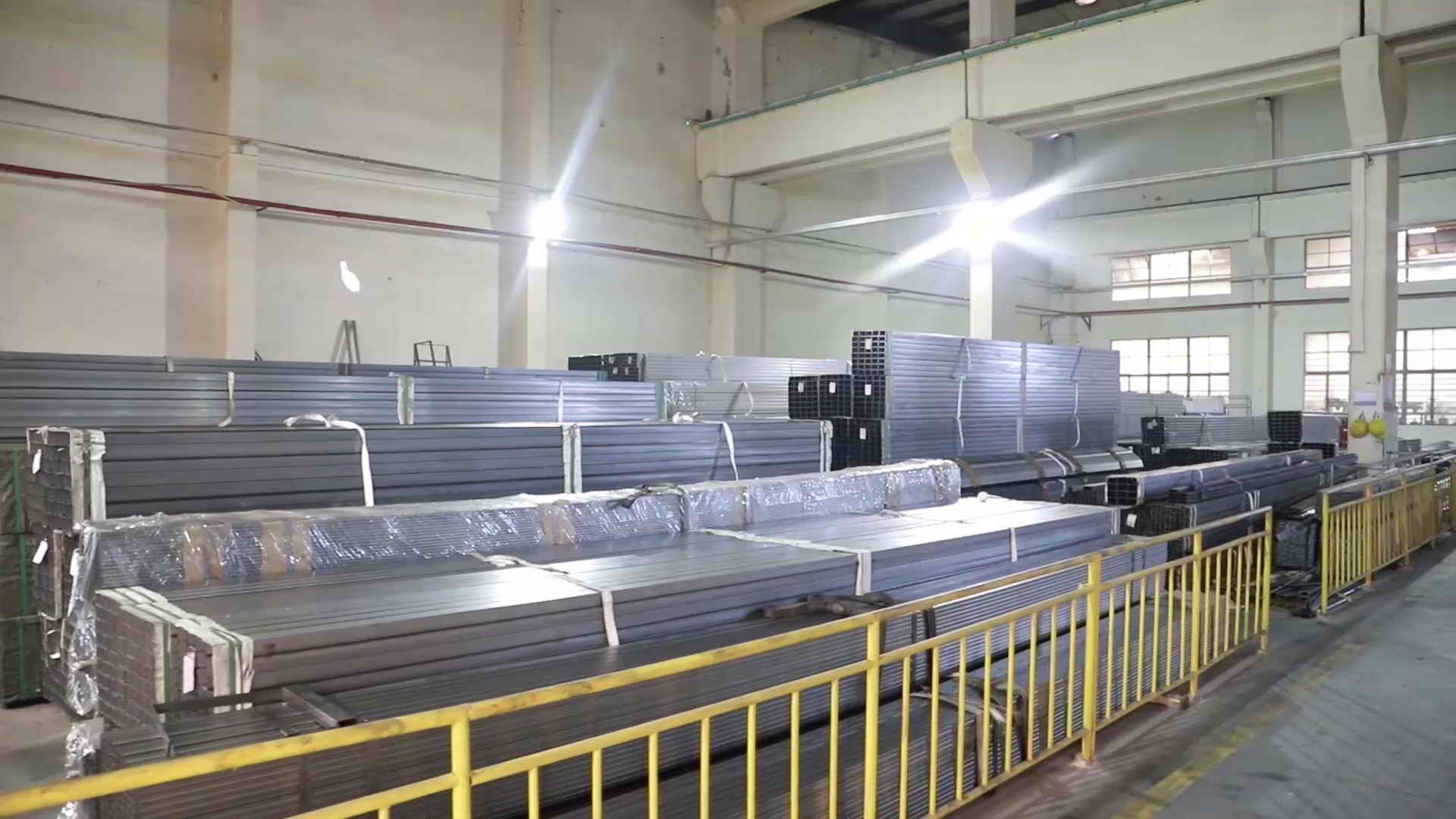
What thickness of steel can be used for producing standing desks? Today we are going to indicate why Migo takes thickness 2mm robust steel pipe for a standing desk. Too thick a pipe will cause an extremely heavy desk, but too thin a pipe will cause a weak one. Neither is good for most office projects.
What Metals Go Into a Standing Desk Frame? A Practical Guide for B2B Buyers
When you’re sourcing standing desks at scale—whether for office fit-outs, government contracts, or retail distribution—the frame material isn’t just about looks. It’s about strength, longevity, cost, and how well the desk holds up after thousands of height adjustments.
So, what metals can actually be used? And which one dominates the market?
Let’s cut through the fluff.
1. Common Metals Used in Standing Desk Frames
In theory, several metals could work. In practice, only a few make sense for mass production:
| Metal | Used in Frames? | Why or Why Not |
|---|---|---|
| Carbon Steel | ✅ Yes – most common | Strong, affordable, easy to weld and powder-coat |
| Stainless Steel | ❌ Rarely | Too expensive; overkill for indoor use |
| Aluminum | ⚠️ Occasionally | Light but less rigid; used in premium or portable models |
| Cast Iron | ❌ No | Too heavy, brittle, not suitable for moving parts |
| Galvanized Steel | ✅ Sometimes (as base layer) | Offers rust resistance before powder coating |
Bottom line: carbon steel is the industry standard—especially for electric height-adjustable desks.
2. Why Carbon Steel Rules the Market
Not all steel is the same. The type used in standing desk frames is almost always cold-rolled carbon steel, typically in grades like Q195, Q235, or SPCC (depending on region).
What makes it ideal?
- High tensile strength: Handles repeated stress from lifting and lowering.
- Good formability: Can be bent into complex leg shapes without cracking.
- Weld-friendly: Critical for assembling multi-part frames.
- Cost-effective: Raw material is widely available and relatively cheap.
Most commercial frames use steel tubing with thicknesses between 1.0 mm and 1.5 mm. Thinner than 1.0 mm? Risk of flexing or wobbling. Thicker than 1.5 mm? Unnecessary weight and cost—unless you’re building industrial-grade units.
3. Aluminum: The Lightweight Alternative (With Trade-offs)
Some high-end or minimalist brands (like Fully or certain European designs) use aluminum alloys—usually 6061 or 6063-T5.
Pros:
- Corrosion-resistant (no need for coating in dry environments)
- Sleek, modern look
- Lighter weight—easier to ship and assemble
Cons:
- Lower stiffness: Aluminum bends more easily under load. A 100kg setup might cause visible deflection.
- Harder to repair: Welding aluminum requires special equipment and skill.
- More expensive: Raw aluminum costs 2–3x more than carbon steel per kg.
- Poor damping: Transmits motor vibration more readily, leading to a “tinny” feel.
For this reason, aluminum is mostly used in fixed-height designer desks or portable standing converters—not in heavy-duty electric frames meant for daily commercial use.
4. Surface Treatment Matters Just as Much as the Metal
Even the best steel will rust if left bare. That’s why nearly all frames go through powder coating—a baked-on electrostatic paint that’s far more durable than liquid spray.
But before coating, the steel must be prepped:
- Degreasing – removes oil from manufacturing
- Phosphating or chromating – creates a micro-layer that improves adhesion and corrosion resistance
- Powder coating – typically 60–80 microns thick
Some manufacturers skip proper pretreatment to save costs. Result? Coating peels within a year, especially in humid climates.
Pro tip for B2B buyers: Ask suppliers for their surface treatment process. If they say “just powder coated,” walk away.
5. Real-World Performance: Steel vs. Aluminum in Daily Use
Imagine two desks side by side:
- Steel frame: Holds three monitors, a laptop stand, and a stack of binders. After 2 years of twice-daily adjustments, it’s still rock-solid.
- Aluminum frame: Same load. Over time, the legs develop a slight sway. The motor works harder to compensate for flex, leading to earlier wear.
In controlled tests, steel frames show <0.5mm deflection under 100kg load. Aluminum? Often 1.5–2.5mm—enough to feel unstable during typing.
For offices where reliability matters more than aesthetics, steel wins—every time.
6. What About “Heavy-Duty” Claims?
You’ll see terms like “industrial-grade steel” or “aircraft aluminum.” Most are marketing spin.
Ask for:
- Material grade (e.g., Q235B)
- Tube thickness (in mm, not gauge)
- Yield strength (should be ≥235 MPa for Q235)
If a supplier can’t provide these specs, they’re likely using recycled or substandard steel—which may warp or crack under stress.
7. Sustainability & Recyclability
Both steel and aluminum are highly recyclable. But steel has an edge:
- Over 85% of steel is recycled globally.
- It retains its properties indefinitely through recycling loops.
- Lower embodied energy than primary aluminum production.
For ESG-focused procurement teams, this is a real advantage.
Final Takeaway for B2B Decision-Makers
If you’re buying standing desks for business use—offices, schools, clinics—stick with cold-rolled carbon steel frames. Look for:
- Tube thickness ≥1.2 mm
- Proper phosphating + powder coating
- Reputable steel grades (Q235 or equivalent)
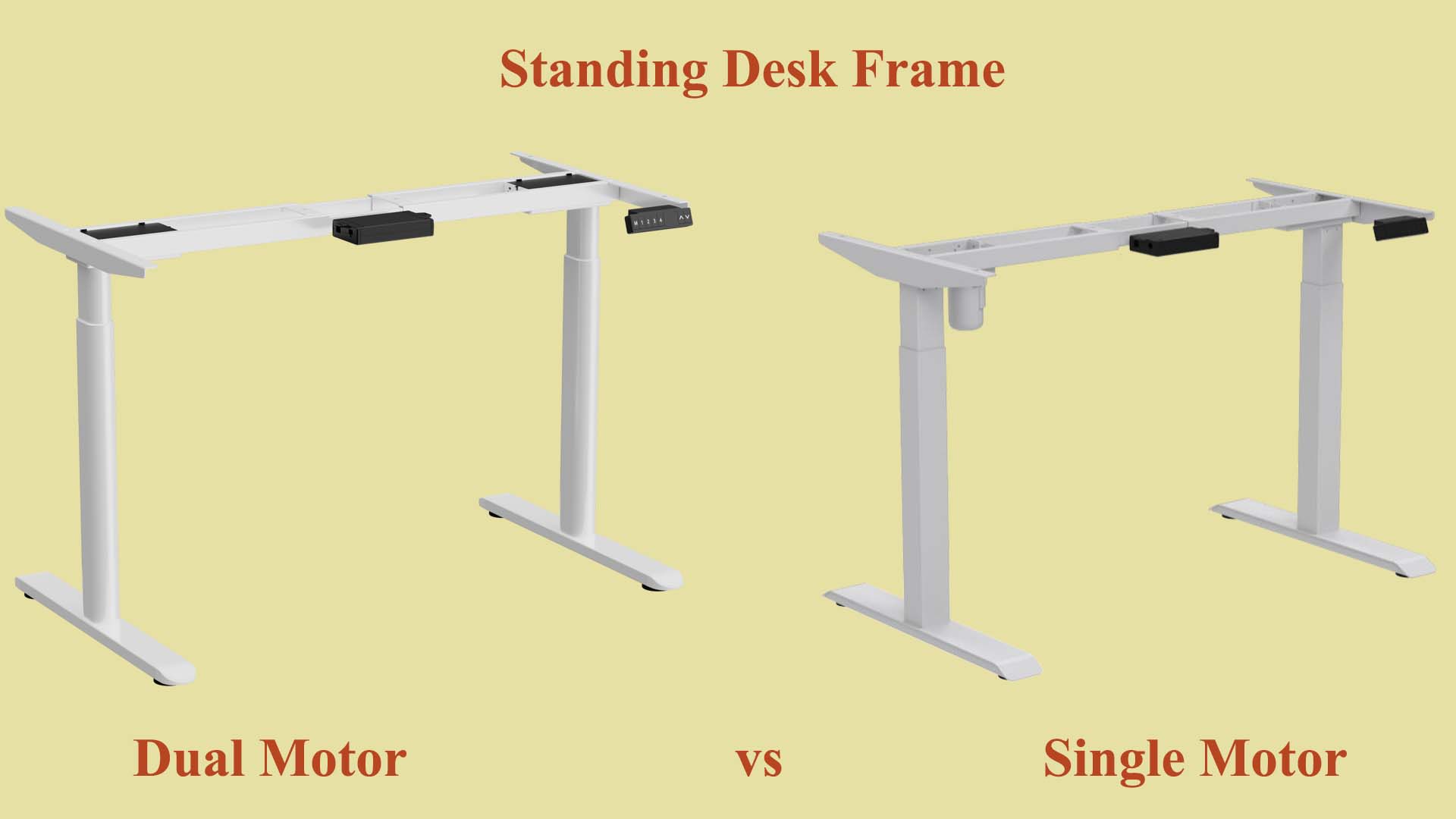
- Dual-motor support (which demands a rigid frame)
Aluminum has its place, but it’s niche: think showrooms, executive suites, or ultra-lightweight applications.
Don’t let sleek renders fool you. Underneath the finish, steel is what keeps a standing desk standing—day after day, year after year.
And in bulk procurement, that reliability translates directly into lower returns, fewer service calls, and happier end users.
Choose metal wisely. Because when the motor stops, the frame is all that’s left holding things up.